How Slovenians Arrived in Silicon Valley

I spent the end of September in Silicon Valley. If the only thing you know about Google, Facebook, and Apple is that the first is a browser, the second a social network, and that the third makes smartphones and laptops, then you’re missing out. All these companies and a host of others are deeply involved in artificial intelligence, virtual reality, cars and more.
I left San Francisco airport and headed for San Jose by ordering an Uber. Uber cars have their own space at the airport where they pick up and drop off passengers, so as not to mingle with other taxi drivers. Even though traditional taxi drivers are on average almost twice as expensive, I think they still get at least ten times the number of passengers compared to Uber drivers. It stands to reason that only a small number of passengers, flying to Silicon Valley, actually have an Uber app on their smartphone, which is essential for calling one. Furthermore, I had the chance to see how traditional taxi drivers still dominated the space in front of the hotel and on the city roads. Uber is increasing its presence, but not nearly as fast as we would like to believe when we fret about taxi drivers losing their jobs overnight.
San Jose has transformed itself from a farming town into a global hub. Because the people wanted more. Because they wanted change.
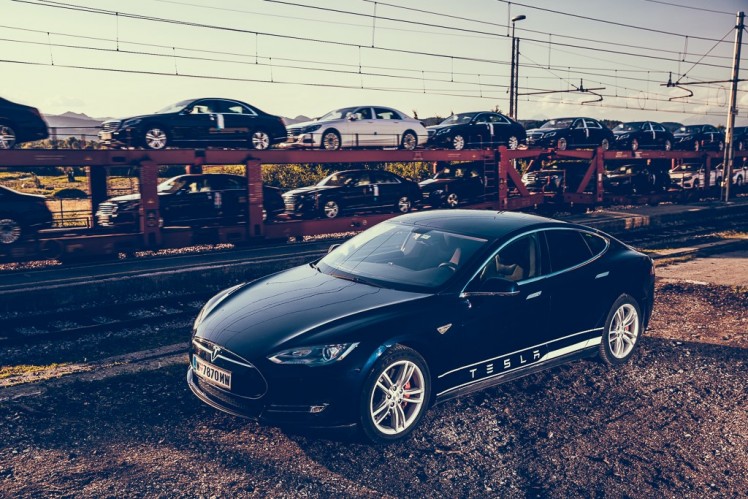
All the largest car manufacturers in the world are moving parts of their R&D departments to Silicon Valley. Even though self-driving cars are already on the roads and it seems electric motors have emerged as clear winners, this is only the beginning. Will we still be buying cars or will we prefer to rent them? Will self-driving electric cars really be the only vehicles left on the road? What will they be like? What do the customers of the future want? What kind of solutions can manufacturers offer? This is why Silicon Valley is abuzz. Everyone is looking for the best user experience and computer software to run the new cars. Even the Chinese have come here. In a major way. They are buying up enormous areas for their companies and for their testing grounds. They went all out and bought NASA’s hangers. It is clear they want to seize the opportunity and become the automotive superpower of the future, when petrol and diesel internal combustion engines will no longer dominate the roads.
The world is not only changed by new technologies, but also by each passing generation. Partially because they don’t particularly like the things their parents thought most important, and partially because of a sense of urgency. They need to be concerned with how they’ll live in 70 or 80 years; they know that if nothing changes, their future holds a planet covered in at least two meters of plastic bottles where water and air are only available on prescription. They are aware they need to improve the way they exploit natural resources, which is why they find sharing things, when they don’t need to own them, second nature. The sharing economy has also caught on in more conservative business ventures, such as lending office space. WeWork is aiming to lend out approximately a million workspaces around the world by the end of 2017. As of late 2014, they had spaces at 27 locations. By the end of 2015, the number rose to 54. They were even awarded the title Most Innovative Company of the Year. They are currently opening seven to eight new locations per month. Anyone who rents a space with them becomes a member of a club. People from various companies who lease workbenches from them, socialize and help one another. The incredible melting pot of freelancers, start-ups, and small-business owners is already being further expanded by employees from large companies, like Pepsi Cola and Samsung. They want their workers to learn the business culture of the new generations, find potential co-workers and business partners.
At the grand opening of the – for now – fully Slovenian-owned ABC Global Home company in San Jose, a representative of the city, who visited Maribor 24 years ago, also said a few words. Her duty back then was to teach us how to transition from socialism to a market economy. She was visibly happy about how far we’ve come, that we came to her country and her city, and that we in turn can do something for them. She took the fact that we made it as something for granted. She was no longer our teacher, instead welcoming us as equal partners. After all, when she was born, her native San Jose was also not much more than a farming town. Today, it is one of the ten largest cities in the US and the capital of Silicon Valley. The rapid growth of high tech companies and the development of the electronics industry turned it from a farming town into a global hub at the turn of the millennium.
Because the people wanted more. Because they wanted change. Because they invested themselves, their strength, visions, energy and passion. There’s nothing you can’t accomplish with that! With only that!
First published in MANAGER FINANCE 13.10.2016 http://manager.finance.si/8850122/Aljo%C5%A1a-Domijan-Kako-smo-Slovenci-pri%C5%A1li-v-Silicijevo-dolino
Photo: Igor Domijan, Aguatera
Too Fast? It Will Go Even Faster

The rapid development of information technology and telecommunications over the past thirty years has been in fact a benefit of some sort. Whatever activity one was engaged in, be it in the public or private sector, an investment in some computer equipment, software applications and user training made it possible to optimize performance, reduce costs, improve quality and of course increase profit.
Naturally, some did this better than others. Slovenia and a lot of countries did not make the best of this opportunity and went down a few places on the global competitiveness scale. Nothing really dramatic. The cards on the global corporation map have shuffled even more. Apple, Google, Microsoft and Facebook became by far the largest companies in terms of market value in the world. Once the flagship, automotive industry, which is very close to and liked by the Slovenian population as well as perceived as an opportunity for economic growth, slid to somewhere below rank 20 on global list. An illustration that we are experiencing tectonic changes: US Ford and General Motors together are worth only slightly more than for instance Nike, McDonalds or Starbucks and much less than Coca Cola, Pepsi or P&G. All combined are worth less than Apple.
The company that will be the biggest in 20 years has yet to be founded. In the ABC Accelerator I have been following the growth of a new generation of successful companies practically in real time, seeing today that in a few years we will be buying differently, doing business with banks differently and communicating with the public administration differently, and we will have different relations with the electricity, water and heating suppliers … we will travel differently, select hotels differently, go to restaurants differently, undergo treatment differently, and so on. We will allocate most of the money to things we do not know yet today. The key to success is no longer growth and optimization. The companies and countries that don’t invest in novelties will fail completely, regardless of how successful they are and how much profit they make today. I am not talking about just one or a few changes. Even a country like Slovenia will need thousands.
I was surprised by the Chinese at the end of July. Theirs was the first country in the world to introduce online ride-booking regulations. The market with more than a billion users gave the green light to Uber and similar countries, making it clear they need not fear obstacles and pitfalls in winning the Chinese market. This is far from the European practice where mayors of individual towns decide about Uber, AirBnB and similar countries.
I was also surprised by Tesla. The Gigafactory producing batteries needed for its cars was set up in Nevada. At home! This is an excellent example of how innovative companies create jobs without looking for a cheaper labour force around the world. It is worth noting that in less than a year the factory will double the global battery output, only to quadruple it at a later stage, thus filling all Tesla 3 orders. Another trend that will have to be taken into account: foreign companies will no longer be able to create jobs with tax and similar benefits. A slightly different view of the entire matter reveals that investing in domestic knowledge is the only reliable path to a welfare state.
Let us have a look at how Romania boosted its high-tech industry. It reduced taxes, simplified accounting and made it easier to get credit. In a few months it succeeded in reducing unemployment, having recorded one of the lowest unemployment rates among the youth in the EU, ranking second in terms of GDP growth among the EU Member States and looks to have a good future. IT companies account for 6.1% of the country’s GDP and are expected to achieve 10% in 2017. It is important that Adobe, Microsoft, IBM, Intel and Oracle are opening their companies in Budapest because the favourable business conditions there also apply to all, both domestic entrepreneurs and global corporations, thus simplifying the opening of such companies and ensuring the conditions apply to the long-term.
And which country has witnessed the fastest growing GDP? Ireland, which has also reduced corporate income tax, attracted investors and boosted GDP to an incredible 26.3%.
The Russians will become the first to invest in Hyperloop, a new train offered by Elon Musk (Tesla, SpaceX, PayPal, …), operating at a speed of up to 1,200 km per hour. The construction will start in Siberia so as to connect Moscow and Beijing. Great Britain proved to be the most advanced when it comes to drone legislation. Amazon.com will therefore launch drone delivery there.
Who knows what will happen when the door to virtual reality opens really wide!
Original in Slovene Manager.Finance.si/8848155/Aljosa-Domijan-Tehnologija-drvi-kje-bomo-prvi-mi
Zbogom, Windows 2003, zbogom, IT, kot smo ga poznali!
Pred tedni sem na obisku pri slovenskem predstavništvu mednarodne korporacije z nekaj deset tisoč računalniki izvedel, da imajo še vedno domeno na strežniku Windows 2003. Res je (bil) dober!
Dan kasneje me je dosegla novica, da bo Microsoft 14. julija 2015 ukinil podporo za Windows 2003. Na svetu naj bi ta trenutek uporabljali še več kot 9 milijonov teh strežnikov. V naslednjem letu bi torej morali IT strokovnjaki zamenjati več kot 25 tisoč strežnikov vsak dan. Hewlett Packard se je potrudil in vsem svojim partnerjem po svetu že poslal oceno stroškov te menjave: 10 milijard dolarjev. Poslovna priložnost desetletja, so jo poimenovali.
Presenečenje
Ker se v praksi večinoma ukvarjam z uvajanjem novih tehnologij, me je, priznam, razširjenost strežnika Windows 2003 presenetila. Podjetja, s katerimi sodelujem, so v desetih letih zamenjala večino drugih strežnikov. Razumljivo, če ne bi preskočila na na primer MS Exchange 2013, uporabniki ne bi imeli dostopa do elektronske pošte preko spleta, ki ga potrebujejo, če želijo do svojih poštnih predalov dostopa preko pametnih telefonov in tabličnih računalnikov.
Vmes pa so strežniki Windows 2003 tiho stregli.
Tudi to je verjetno razlog, da večina podjetij o spremembi doslej ni razmišljala. Strežniki bodo seveda delali tudi po 14. juliju 2015, tako da ni razlogov za paniko in selitev se bo verjetno zavlekla za kakšno leto ali dve. Tudi zato, ker podjetja, kot ocenjujejo pri HP, za prehod na novo okolje potrebujejo vsaj okrog 200 dni. Torej, prišel je čas, ko se bo treba od Windows 2003 strežnikov posloviti. A tokrat lahko prvič v zgodovini kupite nov strežnik ali pa greste preprosto v oblake. Kako se boste odločili?
IT sistemi danes delujejo skoraj 100%. Izdelki se ne kvarijo, za njihov vklop v sisteme pa ne potrebujete strokovnjakov. Vklopite in dela. Zato je vse stroškov z vzdrževanjem. Tudi varovanje podatkov, arhiviranje, zaščita pred vdori in podobna vprašanja niso več glavna IT tema v podjetjih. To preprosto mora biti. Cena strežnikov in terabajtov je nekajkrat nižja kot pred leti. Če želite ostati na svojem, s svojimi strežniki, ne bo nič narobe.
Trend so oblaki
Vso vašo elektronsko pošto, podatke in aplikacije lahko poganjate preko oblakov. Trend je vse večja uporaba pametnih telefonov in tablic. Prodaja računalnikov in notesnikov pada že nekaj let. Do leta 2020 bo polovica e-nakupov opravljenih preko mobilnih naprav. Vse pogosteje se podjetja odločajo tudi za BYOD – Bring Your Own Device, BYOP (Prinesi svoj pametni telefon) in BYOPC (Prinesi svoj PC). Gre za naravno nadaljevanje spreminjanja odnosa do tehnologije in njene uporabe, ko podjetja dovoljujejo zaposlenim, da na delo prinesejo svoj PC, notesnik, tablico ali pametni telefon in z njim dostopajo do sicer zaščitenih poslovnih podatkov, namesto da dovoljujejo zaposlenim, da službeni notesnik in telefon uporabljajo tudi za osebne namene. Če zadevo obrnemo tako, naj bi bilo v to vključenih že več kot 60% poslovnih uporabnikov. Na nek način so vsi ti vsaj z eno nogo že trdo v oblakih.
Napoved
Brez zadržkov lahko napovem, da bo število strežnikov v lasti podjetij od leta 2015 dalje hitro padalo. A kakorkoli se boste odločili, boste pristali pri Microsoftu. Ali skozi na primer HP-Microsoft Windows Server 2003 program migracije ali pa s prehodom na MS Office 365, kjer dobite že danes v paketu brezplačno še neverjetnih 1TB pomnilnika v OneDrive oblaku.
Prvič objavljeno v časniku Finance 5.avgusta. 2014
http://www.finance.si/8807245/Zbogom-Windows-2003-zbogom-IT-kot-smo-ga-poznali
Vaš naslednji telefon bo pametnejši in … cenejši
Če pametnega telefona še nimate, ga pa še boste. Mimogrede: ali imate doma ali v pisarni še vedno stacionarni telefon? Res? Zakaj neki?
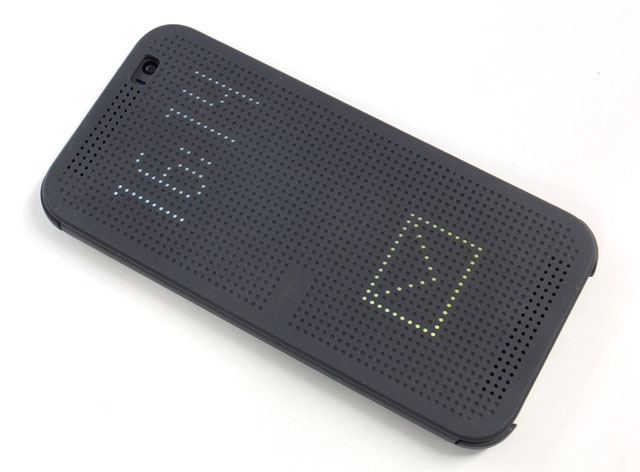
Vojna za uporabnike je vroča. Vsi bi bili radi prvi, najboljši, najbolj priljubljeni, … Apple se rad pohvali, da so uporabniki iPhone telefonov največji potrošniki. Pričakovano! iPhone sodi v kategorijo dražjih premium telefonov z najnovejšimi tehnologijami, ki so hitrejši, sodobnih oblik, s kakovostnejšim fotoaparatom, boljšim zaslonom in še kakšno posebno novostjo. Uporabniki teh telefonov si lahko privoščijo več, imajo v povprečju višji standard in tako tudi preko telefonov več kupujejo v e-trgovinah, uporabljajo več aplikacij, preko telefonov spremljajo poslovne novice, stanje na finančnih trgih in podobno. Ker imajo dovolj denarja in potrebujejo dostop do informacij, so bolj pripravljeni plačevati naročnine za e-časopise in druge informacije. A dejstvo je, da je iPhone le eden izmed premium telefonov, med katere danes sodijo vsaj še Samsung Galaxy S5, HTC One (M8), HTC One Mini, OnePlus One, Sony Xperia Z2, Google Nexus 5, LG G2, Nokia Lumia 1520 in Sony Xperia Z1 Compact ter da sam izgublja tržni delež. V drugem četrtletju letos je delež iPhone med svetovnimi uporabniki padel na 11,7%.
Za vsako ceno čim več uporabnikov
Najpomembnejše je imeti čimveč uporabnikov, pa naj stane kolikor pač stane. To je edino vodilo in nanj vse bolj prisegajo tudi pri Microsoftu. Kaj vse niso v zadnjih letih naredili pri tem velikanu, da bi porinili števile Windows telefonov navzgor. Na koncu so kupili še Nokio, pa jim je tržni delež vseeno iz več kot 10% pred nekaj leti v drugem četrtletju 2014 padel na skromnih 2,5%. Windows telefon kot poslovni telefon očitno ni pravi pristop. Uporabniki imamo le en telefon, ne enega za osebno rabo in enega za poslovno uporabo. Microsoft aplikacije, kot je na primer dostop do poštnega strežnika Exchange, poslovna zbirka MS Office in vse bolj uporaben MS OneNote, delajo na vseh pametnih telefonih. Torej so danes vsi pametni telefoni, sploh tisti iz premium lige, poslovni. Microsoft bo moral za povečanje tržnega deleža pokazati precej več inovativnosti pri tržnem nastopu.
Zmagujejo androidni telefoni
Če večini tržni deleži padajo, potem mora biti vsaj eden, kateremu rastejo. Po podatkih za drugo četrtletje 2014, se je za Android telefone odločilo že neverjetnih 84,7% kupcev. To je tako velik tržni delež, da ni nobenega dvoma, da Android telefoni zmagujejo v vseh cenovnih razredih in pri različnih kategorijah uporabnikov. V premium ligi pametnih telefonov Samsung z Androidom prekaša Apple-ov iOS in uporablja ga več poslovnežev kot Windows telefone.
V nižjem cenovnem razredu pa Android praktično nima konkurence. Raziskave kažejo, da uporabnike, ki kupujejo telefone pod 150 evri, res precej manj zanimajo spletni nakupi, finančne, fitnes, wellnes in podobne aplikacije, vendar pa zato preko telefona več časa brskajo po spletu in uporabljajo brezplačne aplikacije ter igrajo brezplačne igrice. Android telefoni prevladujejo tako v favelah Ria de Janeira in slumih kot je Mexico City kot tudi pri množici otrok in povprečnih uporabnikih v New Yorku, Londonu in Ljubljani. Verjemite, vsi, tudi Apple in Microsoft si jih nadvse želijo kot uporabnike. Hmm, ali ne prihaja novi lastnik Telekom Austria in s tem tudi našega Simobila prav iz Mehike! Eden najbogatejših ljudi na svetu je zaslužil s poceni telefoni in kupuje mobilne operaterje, ki so svoje storitve leta in leta prodajali precej dražje. Stavite na cenejše!
Prvič objavljeno v časniku Finance 18. avgusta 2014: