Online shoppers notice every detail. Detail?


How did Amazon screw up? Or how fast can you lose a customer? Article How Amazon Messed Up is the best summary ever, just to illustrate that everything you do should be for the customer. I couldn’t say it better and I’ve been selling online for 18 years. This is why you should sell on enaA.com, Slovenia’s largest marketplace. Because we take all this into account. Our partners just have to prepare the best offers. The enaA team takes care of the rest. I’m really proud of them!
Why there is no European Amazon, Google, Uber & Airbnb

When I started my online sales business with the enaA.com website in 1999, there was practically no legislation regulating this field. A grey area. Should I have waited for laws to be adopted in order to know how to work legally?
Seventeen years later and we are still far from having relevant laws in Slovenia which would support the development of online trading. All this in the country which has in the meantime succeeded in legalising same-sex marriages, the 21st country in the world to do so. I am proud of it. Really proud! I have also lived to see cannabis no longer being classified in the illicit drug class that attracts the most severe penalty and is now allowed to be grown and used for medicinal purposes. Slovenia is not exactly among the leading countries here but at least things have moved forward. We put the right to clean drinking water into the constitution.
And although European politicians refer to the development of the digital market as one of the most important generators of European economic growth, we online traders have so far received from them only legislation on web cookies, which has neither increased the volume of online sales in Europe nor improved user experience. Thus one cannot count on European companies to develop and compete with the American Amazon or the Chinese Alibaba. Sales of both companies to customers in EU countries have been growing steeply from year to year. Why? Because the countries of their origin have highly effective solutions regarding copyrights, customer protection, payment transactions and delivery, which allow for exceptionally low cost of selling throughout the world. Let us not forget that we are dealing here with a global retail sale with an average purchase price of about 20 euros in which every cent counts! Billions of contracts with the average value of peanuts. In Slovenia, the profit would already have evaporated during the administrative procedures related to re-export, VAT accounting, arrangement of copyrights and the costs associated with packaging waste and the destruction of electricity devices.
There may actually be only a handful of Slovenian photographers who sell their work on istock.com, yet every day there are more and more businessmen who know how to buy products in China and send them directly to Amazon warehouses in the USA to be re-sold from there. If we add to these Alibaba, eBay, Etsy and other similar online wholesale markets, this is not such a small business any more. But these marketplaces are not located in Europe and so the money goes other way.
Do we have legislation to regulate this? No. Are people who are doing this breaking laws? Not intentionally, for sure. Uber and AirBnB also want to operate their businesses legally. The fact that they are coming on to the market with a new business model should not be an obstacle. Both offer a very transparent operation, much more than, for example, issuing invoices in regular taxis or in renting rooms and suites via tourist associations on the Adriatic coast. Everything is electronic, everything is recorded. It is quite clear what the VAT value is, how much the operator gets and how much goes to the platform administrator. And then the state comes along to say that the business model is not entirely compatible with existing laws and regulations. Understandable. Of course. This is a new thing. We know. Don’t try to make me feel bad for driving with Uber. The sharing economy is an inevitable part of our present and the future. Write a new law. This is your business. The world is evolving! New business models are a constant. Write the best possible law so it will be talked and written about all over the world. Then the EU will become the e-centre of the world.
First published in Finance Manager (version for Slovene readers) http://manager.finance.si/8852131/Aljo%C5%A1a-Domijan-Zakaj-v-Evropi-ne-moremo-narediti-Alibabe-in-Amazona
How to Successfully Sell Online after Google changed

If your sales figures mainly depend on Google, Facebook, and various advertising networks, you’ve hit a dead end. Even if an average 2% of clicks end up converted to sales (not a bad result), taking into account an average price of $ 0.15 per click (also not a bad price), the cost of advertising with Google amounts to $ 7.5 per purchase. If this was the price to pay just once for a regular customer, guaranteed to buy more, you’d still be able to stay in the black. However, you will have to pay $ 7,5 for each purchase coming from Google forever. Customers are creatures of habit. The next time the majority of customers will again start their sales journey on Google. If your ad is not there this time round.
After Google changed the positions of ads and is now more advertising panel than search engine. On mobile phones whole first screen is reserved for ads. On PC’s and laptops users now see four ads first and only two to three search engine results.
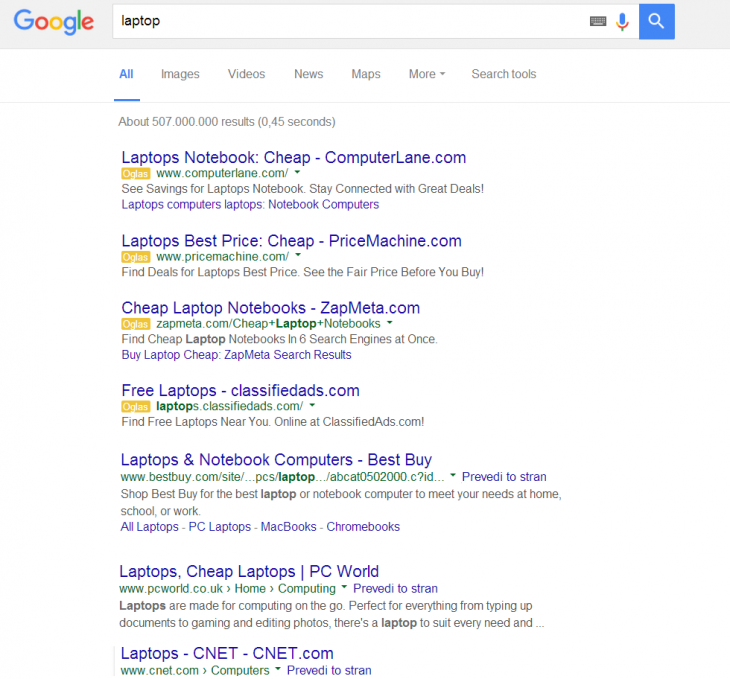
Ok. Thank’s Google. It is even more clear now how to actually successfully sell online. Just take next three steps forwards as soon as possible:
1. Calculate the actual success rate of your existing Google advertising campaigns, as well as other services where you might be paying for clicks or impressions (price comparison sites, for example are even less effective than Google), making sure the sales you generate with their help let benefits go to your pockets and not theirs. Think about whether it’s worth it in the long run!
2. Ensure your offer has the best possible content. This is a mantra repeated time and time again by all SEOs and inbound marketing experts. However, never put too much stock into how many times your keyword is written in the meta tag. What you need is a truly excellent description of your offer. It needs to be a real pleasure to read, telling buyers everything there is to know about your offer and convincing them to make a purchase. You should additionally ensure a short summary which is visible when a link to your page is published on Google, Facebook, etc. And that’s it. Believe me, if you don’t know the best description for your offer, no inbound or SEO expert can help you.
3. Instead of paying for clicks and impressions, start by only paying an adequate share of the realized sales to those who help you generate a larger number of purchases. Use performance marketing! You can find on affiliatewindow.com all top brands are using it.
Alternatively, you can post your offer in the largest online stores on the Internet:
a. Amazon.com
b. Alibaba.com
c. Ebay.com
d. enaA.com
Kako bi mi birokratsko ubili Izo in Sama Logina

Ali bi bili pripravljeni za podjetje, ki nima lastnih prostorov in opreme, ima le nekaj več kot deset zaposlenih in ponuja brezplačno storitev, odšteti milijardo dolarjev? Facebook je na primer spomladi 2012 kupil Instagram za okroglo milijardo dolarjev. Vsi Slovenci in Slovenke, s katerimi sem se o tem pogovarjal, so bili prepričani, da je šlo v tem primeru za uveljavljeno podjetje z nekaj tisoč zaposlenimi, nepredstavljivo količino strežnikov in druge računalniške opreme. V resnici pa ste Kevin Systrom in Mike Krieger podjetje ustanovila oktobra 2010. Priljubljenost spletne storitve, ki omogoča delitev fotografij in videoposnetkov, je neverjetno hitro rasla, tako da so se po letu in pol že lahko pohvalili s sto milijoni aktivnih uporabnikov in 13 zaposlenimi. Ker podjetje drugega imetja pravzaprav niti ni imelo, vse je bilo namreč najeto, je Mark Zuckerberg za vsakega uporabnika brezplačne storitve plačal deset dolarjev.
Odločitev ni bila lahka: to je bila četrtina denarja, s katero je takrat razpolagal Facebook. Za primerjavo: Microsoft je v približno istem času kupil knjigarnarja Barnes & Noble, podjetje s seznama Fortune 500, s 658 knjigarnami ter dodatnimi 705 študentskimi knjigarnami največjega prodajalca knjig v ZDA, zgolj za 605 milijonov dolarjev. Tudi Microsoft precej globlje seže v žep, ko kupuje »mala« spletna podjetja. Ni šale, lo kupujejo Sergey Brin, Larry Page, Satya Nadella in Mark Zuckerberg, milijarde padajo.
Samo Google je od leta 2001 do danes za nakup podjetij porabil 28 milijard, med drugim za Youtube 1,65 milijarde in za DoubleClick 3,1 milijarde. Za priljubljeno igro Minecraft je Microsoft pred nekaj dnevi plačal že 2,5 milijarde dolarjev.
Če bi bil Outfit7 slovensko podjetje
Trenutno najbogatejša Slovenca Samo in Iza Login svojega podjetja sicer še nista prodala, a prepričan sem, da bosta zanj dobila precej več kot ocenjenih 1,1 milijarde evrov. Njuno podjetje je samo v treh letih z več kot milijardo naloženih Talking Tomov svetovni fenomen. In tudi onadva nimata toliko nepremičnin in zaposlenih kot Telekom Slovenije. Torej bolj ali manj enaka zgodba kot pri Minecraftu, Instagramu ali Yammerju.
Če bi Outfit7 postavil Talking Toma kot slovensko podjetje v Sloveniji in ga prodajal iz Slovenije, bi moral najprej narediti vse vmesnike v slovenskem jeziku, napisati, da poslujejo v slovenskem jeziku in našteti še preostale jezike. Na njihovi spletni strani bi moralo vse uporabnike na svetu čakati opozorilo, da njihovi piškoti ne škodijo, ter prošnja, da obiskovalci s klikom na »da« potrdijo soglasje za uporabo piškotov na njihovih straneh. O tem, kako Talking Tom spoštuje zasebnost, bi odločala naša informacijska pooblaščenka. Dobro smo si zaprli vrata, ali ne!
Z isto pametjo in delom si lahko revež ali pa milijarder
Kako globoko je nerazumevanje sodobnih trendov v našem okolju, pokaže tudi hiter vpogled na področje zakonodaje, ki ureja avtorsko delo in pravice. Kot avtorja, ki ne bi bila v delovnem razmerju, bi bila Samo in Iza Login za svoj honorar obremenjena s približno 79 odstotki.
Če pa bi po nekem naključju Talking Toma narisala kot zaposlena v kateri izmed slovenskih marketinških agencij za TV-reklamo ali morda kot aplikacijo za Murino majico, bi bila reveža. Njuna ideja bi pripadla podjetju, v katerem bi delala.
Slovenska zakonodaja namreč v zakonu o avtorski in sorodnih pravicah v 101. in 102. členu še vedno odreja: »Kadar avtorsko delo ustvari delojemalec pri izpolnjevanju svojih obveznosti ali po navodilih delodajalca (avtorsko delo iz delovnega razmerja), se šteje, da so materialne avtorske pravice in druge pravice avtorja na tem delu izključno prenesene na delodajalca za deset let od dokončanja dela, če ni s pogodbo drugače določeno.« In praviloma ni določeno. Na koncu bi najverjetneje ustrezno zakonsko podlago za nekaj svojih odstotkov našel tudi Sazas.
Hiša z vrtom
Z isto idejo in istim delom bi bila Samo in Iza Login v Sloveniji v najboljšem primeru vesela, da bi našla rešitve za vse birokratske ovire in bi potem kot podjetnika lahko sproti plačevala vse račune in davke, imela bi hišo z vrtom in srednje dober avto, zunaj Slovenije pa sta na poti do statusa milijarderjev. Se še sprašujete, kje Slovenija izgublja denar? Kot je povedal Joc Pečečnik, eden izmed najbogatejših Slovencev: »Povsod po svetu sem znal zaslužiti, doma pa niti evra.«
Mi bi še šivali srajce
Seveda je vprašanje, kako bo brez sprememb lahko kdorkoli zaslužil dovolj. Če na eno stran postavimo milijardo dolarjev, ki jo ustvari vsega nekaj ljudi v dveh ali treh letih, in na drugo stran dodano vrednost v proizvodnih podjetjih, je nesorazmerje očitno. Nemogoče je danes narediti toliko srajc, kot lahko naložiš aplikacij. Mi pa še vedno iščemo vlagatelje, ki bi vlagali v proizvodnjo srajc, in odganjamo celo tiste Slovenke in Slovence, ki znajo zaslužiti s svojimi idejami, znanjem in kreativnostjo.
Prvič objavljeno 11.11.2014 http://www.finance.si/8812590/Kako-bi-mi-birokratsko-ubili-Izo-in-Sama-Logina
Kako izpeljati uspešno oglaševalsko akcijo v kaosu na oglaševalskem trgu
Koliko danes plačujete za oglaševanje? Že dolgo let ne velja več noben cenik in verjetno ste se že navadili, da tudi noben dogovor ne zdrži več kot nekaj mesecev. Letne pogodbe sklepajo le še …. Če oglašujete, plačujete preveč. Če oglasni prostor prodajate, zanj dobite premalo. Ali se sploh splača oglaševati?
Brez oglaševanja ni prodaje. A pozor! Če boste gledali zgolj na ceno na klik, ceno sekunde prikaza oglasa na TV, ceno prostora v časopisu ali število prikazov oglasa na spletu, boste vedno prišli do sklepa, da se ne splača oz. da je medijski prostor predrag.
Obrnimo zgodbo. Recimo, da je tržna cena oglasnega prostora realna. Mimogrede: če bi bila cena oglaševanja res previsoka, bi se mediji valjali v dobičkih, pa vemo, da se ne. Torej, cena oglasnega prostora je tako kot je. Na tej osnovi zastavimo oglaševalsko akcijo tako, da bo uspešna tudi v sodobnem medijskem kaosu:
- Razmišljajte široko! Rešitev je v sinergiji, torej ne en (tudi najcenejši medij je predrag, če ne boste prodali dovolj) temveč več medijev s katerimi lahko vašega potencialnega kupca dosežete ob različnih priložnostih in se dopolnjujejo (npr.: poziv preko televizije ali radia na splet bo učinkovitejši, če bo podprt z oglasi na spletu)
- Določite jasne cilje: kaj, komu, koliko in v kakšnem času želite prodati ter kolikšen del načrtovanega prihodka lahko namenite oglaševanju. Če veste, koliko denarja imate, vaša akcija nikoli ne bo neučinkovita zaradi cene, ki jo plačate mediju. Skratka, nikoli ne boste plačali preveč. Obenem boste lahko izbrali medije, ki vam lahko zagotovijo pričakovane rezultate v okviru vašega proračuna in s tem zaslužijo (tudi mediji morajo pokriti svoje stroške in ustvarjati dobiček), tako da boste oboji radi šli skupaj tudi v nove zgodbe.
- Imate zgodbo? Četudi danes ponujate izdelek brezplačno, se morate potruditi, da na najboljši možni način prepričate kupce, da to potrebujejo in da bodo z vašo ponudbo zadovoljni. Poskrbite za najboljšo vsebino!
- Preverite, kaj sploh ponujate: V času interneta 93% kupcev turističnih storitev, 88% kupcev tehničnih izdelkov, 85% kupcev avtomobilov informacije pred odločitvijo o nakupu preveri na spletu. Lahko ste najugodnejši v vašem kraju ali ulici, lahko ste celo najugodnejši v Sloveniji, a če pretiravate s ceno, bo kupec zlahka našel ugodnejšega ponudnika (samo leta 2013 je v Slovenijo prišlo več kot 600.000 naročil preko spleta iz tujine). Skratka: uporabite informacije s spleta pred kupci in naredite vašo ponudbo bolj zanimivo in konkurenčno.
- Določite pot kupca od oglasa do nakupa in na njej razporedite oglase. Na poti od tv oglasa do vaše trgovine so še časopisi, revije, radijske postaje, spletne strani, Google, Facebook, Twitter, optimizacija za iskalnike,…. Kupci imajo nešteto priložnosti, da se premislijo kadarkoli na poti do nakupa pri vas.
- Ponavljajte točke od 2 do 5 vse dokler ne boste imeli enega cilja, enega sporočila, lepe zgodbe in izbranih medijev, kjer jo boste lahko predstavili v okviru razpoložljivih sredstev.
- Merite učinke, testirajte in se učite.
- Četudi praviloma ne delate z marketinško agencijo, vsaj občasno najemite zunanjega strokovnjaka in izpeljite akcijo z njim. Naučili se boste nekaj novega in morebiti tudi ugotovili, da rezultati toliko odstopajo od vaših običajnih, da se tudi to splača.